



What to See in Kyoto's Nishiki Market
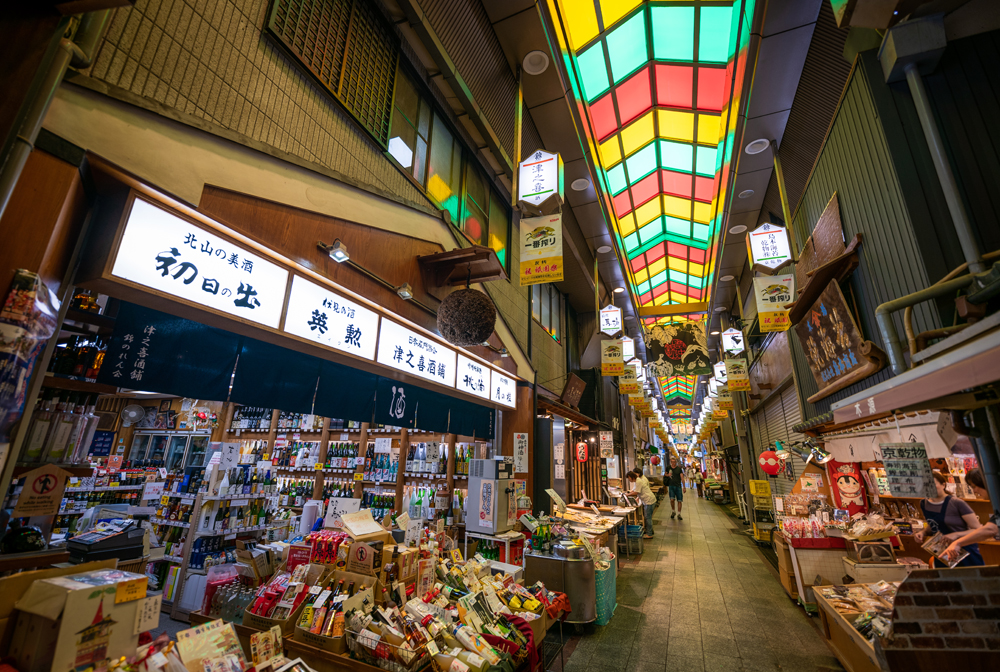
Nishiki Market isn't just another shopping street ' it's the heart of Kyoto's food culture. Running about 390 m through downtown Kyoto, this covered arcade has over 100 shops selling the city's culinary essentials, from fresh seafood and Kyoto vegetables to sweets, pickles, and kitchen tools. Visiting here gives you both sensory delights and travel insight you won't easily find elsewhere.
This guide breaks down what to see and why it matters, along with practical tips so you don't feel lost in the crowd.
What Makes Nishiki Market Special
400 Years of Culinary Culture
Nishiki Market dates back centuries ' its roots go all the way to fish sales around 782 AD, and it received official market rights in 1615. Over time it expanded from fish into a full range of local foods and ingredients that define Kyoto cuisine.
Today, it's known as 'Kyoto's Kitchen.' You're walking through living food history, not just a tourist stop.
Top Things to See (and Taste)
Here's where Kyoto's culinary story gets delicious.
1) Fresh Seafood and Sashimi Stalls
Seafood was historically the backbone of Nishiki, and you'll still find stalls selling fresh fish and sashimi. Expect classics like tuna, salmon, and seasonal catches ' sometimes served as quick bites on the spot.
Why it matters: This is Kyoto seafood with local character ' and the quality reflects the market's long reputation.
2) Traditional Kyoto Pickles and Dried Foods
Kyoto's pickles (tsukemono), dried fish, and specialty vegetables are local staples. Many shops let you sample before you buy, and the flavors range from mild to intensely savory.
Tip: Pick up some tsukemono as souvenirs ' they travel well and make great gifts.
3) Street Snacks and Sweet Treats
Some must-try bites include:
- Soymilk donuts with kinako or brown sugar toppings.
- Takoyaki, scallops, or tako-tamago (octopus with a quail egg).
- Matcha-flavored sweets and warabi mochi.
These are great for grazing as you wander ' just remember Kyoto etiquette (see below).
4) Kyoto-Style Kitchenware & Crafts
Not all attractions are edible. Shops here sell knives, ceramics, condiments, and other tools of Japanese cooking. Browsing these gives you a sense of the pride and craft behind Kyoto cuisine.
5) Sit-Down Eateries & Specialty Meals
Scattered among the stalls are small restaurants and lunch spots where you can sit and enjoy regional food properly ' like eel rice bowls (unagi) or dashimaki tamago (rolled omelet).
Smart Visiting Tips
Best time to go
Most shops run roughly 9 am'6 pm, but crowds swell by midday. Aim for 10 am'11 am to see more open stalls with fewer people.
Eating etiquette
In Kyoto, walking while eating is discouraged. Enjoy your food in front of the stall or at designated areas, then continue exploring.
Expect crowds
This is one of Kyoto's most popular attractions, so expect foot traffic ' especially on weekends and holidays.
Quick-Start Checklist
- ? Plan for 1.5'3 hours to explore.
- ? Start at the eastern end near Teramachi Street.
- ? Try a mix of seafood, sweets, and pickles.
- ? Browse kitchenware shops for unique souvenirs.
- ? Respect local eating rules (don't walk while eating).
FAQ
1. What is Nishiki Market famous for?
It's famous as 'Kyoto's Kitchen' ' a historic food market with fresh
ingredients, local snacks, pickles, seafood, and more.
2. How long is the market?
About 390 meters from end to end.
3. When should I visit?
Most shops open by 9'10 am, and visiting mid-morning helps beat crowds.
4. Is there more than food?
Yes ' kitchen tools, ceramics, condiments, and crafts are all part of the
experience.
5. Can I eat while walking?
Locals discourage eating while walking. Enjoy your snack near the stall before
moving on.
Conclusion ' What This Means for Your Trip
Nishiki Market is both a sensory highlight and a cultural snapshot of Kyoto. You won't just eat ' you'll connect with the food traditions that shaped the city. Go with time, hunger, and curiosity, and you'll leave with flavors and memories that stick.
Next step: Pair this visit with nearby Gion or Teramachi shopping for a full half-day of Kyoto exploration.