



Ultimate Kruger National Park Travel Guide
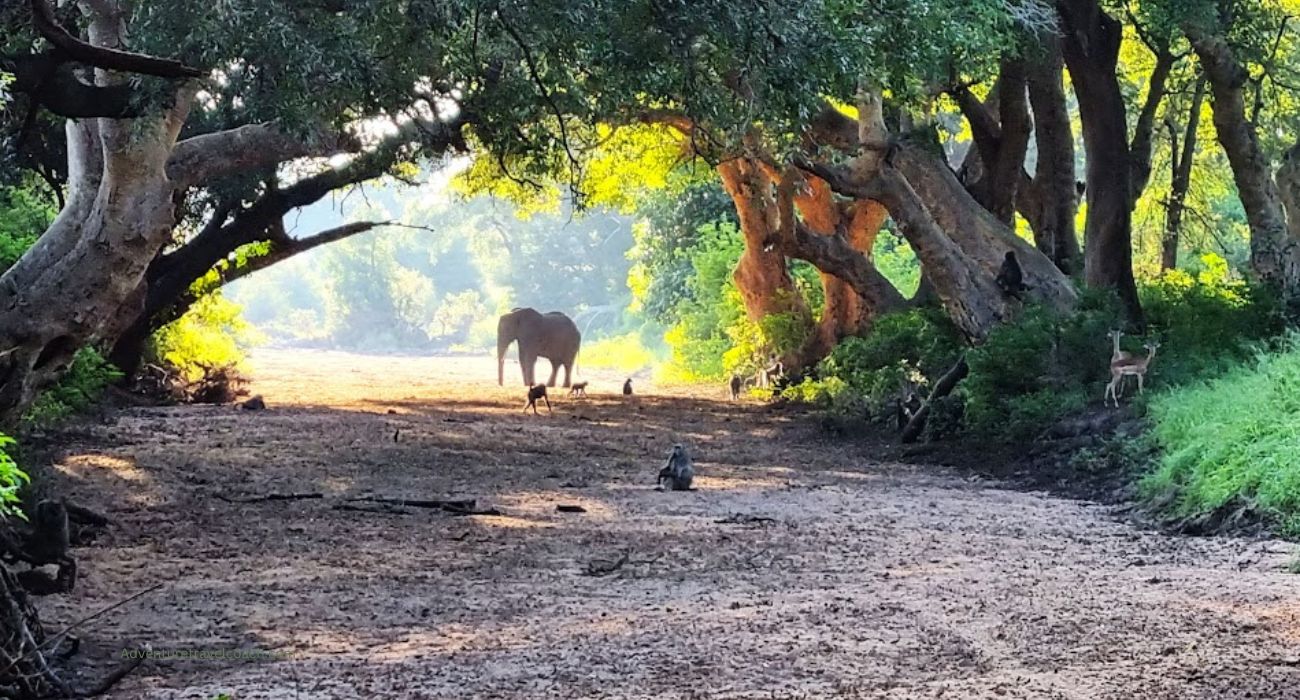
What Kruger National Park Really Is
Kruger isn't just another park ' it's one of the largest and most biodiverse game reserves on Earth, spanning roughly 19,600 km' across Mpumalanga and Limpopo provinces. It stretches about 360 km north to south with multiple ecosystems and habitats.
Established as a protected area in 1898 and officially proclaimed a national park in 1926, it's the flagship park under South African National Parks (SANParks).
You'll find hundreds of species ' from the famous Big Five (lion, elephant, buffalo, leopard, rhino) to 500+ birds and thousands of plants.
When to Go: Season Planning
No single 'perfect' time exists ' it depends on what you're after.
Dry Season (May'September) ' Best for Wildlife Viewing
- Pros: Sparse vegetation = easier animal spotting. Wildlife gathers around limited waterholes.
- Cons: Cooler mornings (especially June'August).
- Who it's for: First-timers, serious photographers, wildlife focus.
Wet Season (October'April) ' Green Landscapes & Birds
- Pros: Lush scenery, newborn animals, excellent bird migration periods.
- Cons: Thicker bush makes spotting animals harder; afternoon thunderstorms common.
- Who it's for: Nature lovers, bird watchers, landscape photographers.
Quick takeaway: If your priority is game spotting, lean towards the dry winter months. If you want vibrant landscapes and birdlife, choose wet summer months.
Getting There & Getting Around
Fly
Most international visitors arrive via O.R. Tambo International Airport (Johannesburg) and connect onward to regional airstrips near the park.
Drive
Kruger is large and designed for self-drive. Roads are signposted and generally easy to navigate if you plan your gate entry times.
Self-Drive vs Guided
Self-drive:
- Freedom to explore at your pace
- Works best in dry season
Guided game drives:
- Experts know animal behavior and best spots
- Adds context & safety
Where to Stay: Rest Camps & Regions
Kruger has dozens of accommodation options from simple rest camps to private lodges. Here's how to think about them:
| Region | What You Get | Camp Examples |
|---|---|---|
| South | Often higher wildlife density early in trip | Crocodile Bridge |
| Central | Balanced mix of wildlife + access | Skukuza (main HQ) |
| North | More remote, fewer tourists | Letaba |
| East | Riverine views, scenic drives | Lower Sabie |
| North-East | Less visited, raw wilderness | Mopani |
Tips on camps:
- Book early ' popular rest camps fill fast in peak season.
- Each camp has basic amenities (shop, petrol, restaurant), but offerings vary.
Safari Checklist: What to Pack
- Binoculars ' essential for distant sightings.
- Neutral clothing ' khaki/green blends with surroundings.
- Warm layers for morning/evening drives in winter.
- Sun protection & water bottle ' heat can be intense.
- Camera + extra batteries/memory
Safety & Practical Tips
- Stay in your vehicle on game drives unless in designated areas.
- Gates generally open at sunrise and close around sunset ' plan drives accordingly.
- Follow SANParks rules; wildlife is wild, not a zoo.
Recent context: Severe flooding in early 2026 forced temporary closures and infrastructure repairs in parts of the park ' always check current conditions before travel.
FAQ
1. What's the best time to see the Big Five?
Dry season (May'Sept) has clearer visibility and animals gathering around
waterholes.
2. Can you do a safari without a guide?
Yes ' Kruger permits self-drive safaris, but guided drives add context and
expertise.
3. Is Kruger safe for families?
Yes, if you follow safety rules and keep distance from wildlife.
4. How long should I spend in Kruger?
3'5 days gives you a solid experience; longer allows deeper exploration.
5. What's the difference between Kruger and Greater Kruger?
The public Kruger is the SANParks-managed core. Greater Kruger includes private
reserves with more luxury options and off-road access.
Conclusion & Next Step
Here's the honest truth: Kruger National Park rewards preparation. Pick a season that matches your priorities, book your rest camp early, and decide if you want the freedom of self-drive or the insights of guided safaris.
Next step: Choose your trip dates, then secure at least your first two nights of accommodation inside the park. That makes the rest easy to plan around wildlife opportunities.