



How to Spend a Week in Tuscany Without Missing a Thing
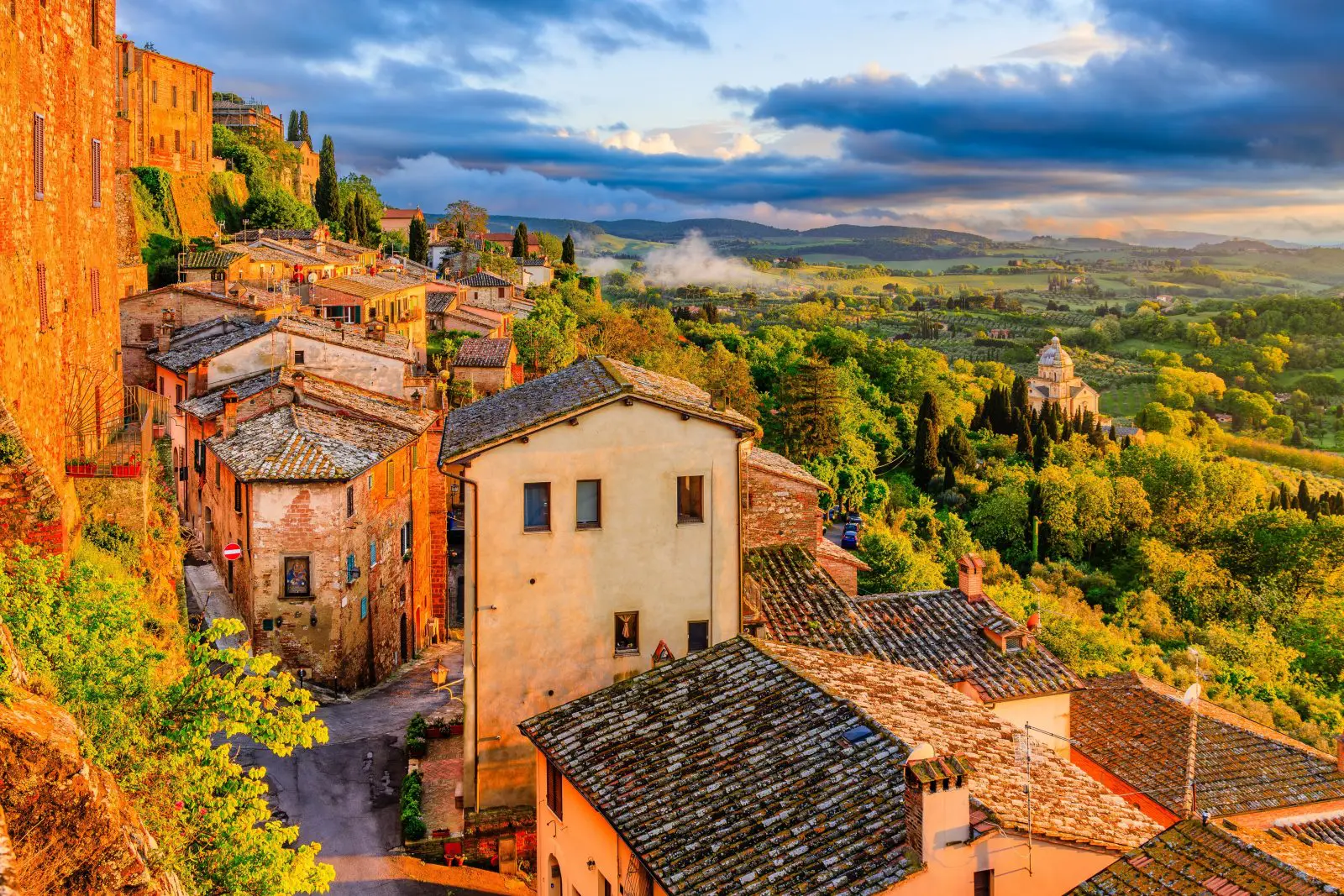
Tuscany looks small on a map, but once you start listing Florence's art, medieval hill towns, vineyards, and countryside drives, it's easy to feel overwhelmed. This guide gives you a clear plan ' what to see each day, how to move around, and where to slow down ' so you leave feeling you truly experienced the region.
A balanced 7-day plan
Day 1'2: Florence ' art, history, and walking
Start in Florence, the cultural heart of Tuscany. Visit the Duomo, Uffizi Gallery, and Ponte Vecchio. Reserve museum tickets in advance ' queues can be long, especially from spring to autumn.
Expert tip: Climb Piazzale Michelangelo at sunset for a panoramic view without paying for a tower.
Day 3: Pisa and Lucca ' easy day trip
Take a train to Pisa to see the Leaning Tower, then continue to Lucca. Rent a bike and cycle along the Renaissance walls ' a relaxed contrast to Florence's crowds.
Day 4: Siena ' medieval atmosphere
Spend a full day in Siena exploring Piazza del Campo and Siena Cathedral. The historic center is compact, making it perfect for slow wandering.
Day 5: Chianti ' wine and countryside
Rent a car for a day (or join a tour) and drive through Chianti. Stop at small wineries and enjoy long lunches overlooking vineyards.
Common mistake: Trying to visit too many wineries ' pick two or three and linger.
Day 6: San Gimignano and Volterra ' hill towns
San Gimignano's towers and Volterra's quieter charm offer classic Tuscan scenery. Walk narrow streets, try local gelato, and soak in views of rolling hills.
Day 7: Val d'Orcia ' postcard Tuscany
Drive through Val d'Orcia, a UNESCO-listed landscape known for cypress-lined roads and towns like Pienza and Montepulciano. This is Tuscany at its most iconic.
Quick decision guide: Car or no car?
- Train + tours: Best for Cities, ease. Trade-off: Less flexibility.
- Rental car: Best for Countryside, freedom. Trade-off: Driving + parking challenges.
Quick-start checklist (original framework: 'PACE' method)
Use this to avoid overplanning:
- P ' Prioritize: Pick 3 must-see places
- A ' Allocate time: Leave space for slow meals
- C ' Connect logically: Group nearby towns
- E ' Expect downtime: Tuscany rewards slowing down
Practical tips that make a big difference
- Book accommodations inside historic centers for walkability.
- Travel in shoulder seasons (April'June, Sept'Oct) for fewer crowds.
- Make lunch your main meal ' many restaurants close mid-afternoon.
- Carry cash for small villages and wineries.
FAQ
Is one week enough for Tuscany?
Yes ' enough to see Florence, key towns, and countryside if you keep a focused
plan.
Do I need a car?
Not for Florence or Siena, but a car helps for Chianti and Val d'Orcia.
Best time to visit Tuscany?
Spring and early autumn offer mild weather and manageable crowds.
Where should I base myself?
Florence for culture; countryside agriturismo for a slower experience.
How busy is Tuscany in summer?
Very busy ' expect crowds in major sites and book early.
Conclusion ' your next step
Map your must-see places, decide whether you'll rent a car, and book Florence first ' it anchors the trip. Once that's set, the rest of Tuscany naturally unfolds into slow drives, long meals, and unforgettable landscapes.